Shelf Life Studies
Stability studies to assess product quality throughout its intended shelf life.
Shelf Life Studies
Shelf life studies determine how long a product remains safe, effective, and of acceptable quality under specified storage conditions. These studies are crucial in industries such as pharmaceuticals, food, cosmetics, and chemicals. Shelf life is defined as the time period during which a product retains its intended properties and performance.
Types of Shelf Life Studies
| Type of Study | Conditions | Duration | Purpose / Features |
|---|---|---|---|
| Real-Time Stability Studies | Conducted under normal storage conditions | Duration equals actual shelf life (months/years) | Provides the most accurate data |
| Accelerated Stability Studies | Conducted at elevated temperature and humidity | Short-term study | Speeds up degradation process; helps predict shelf life quickly |
| Intermediate Studies | Conditions between real-time and accelerated | Moderate duration | Used when accelerated study data is inconclusive |
Methods of Shelf Life Testing
| Category | Tests / Parameters |
|---|---|
| Physical Testing | Appearance, Color, Texture, Viscosity |
| Chemical Testing | Assay (active ingredient content), Degradation products, pH measurement |
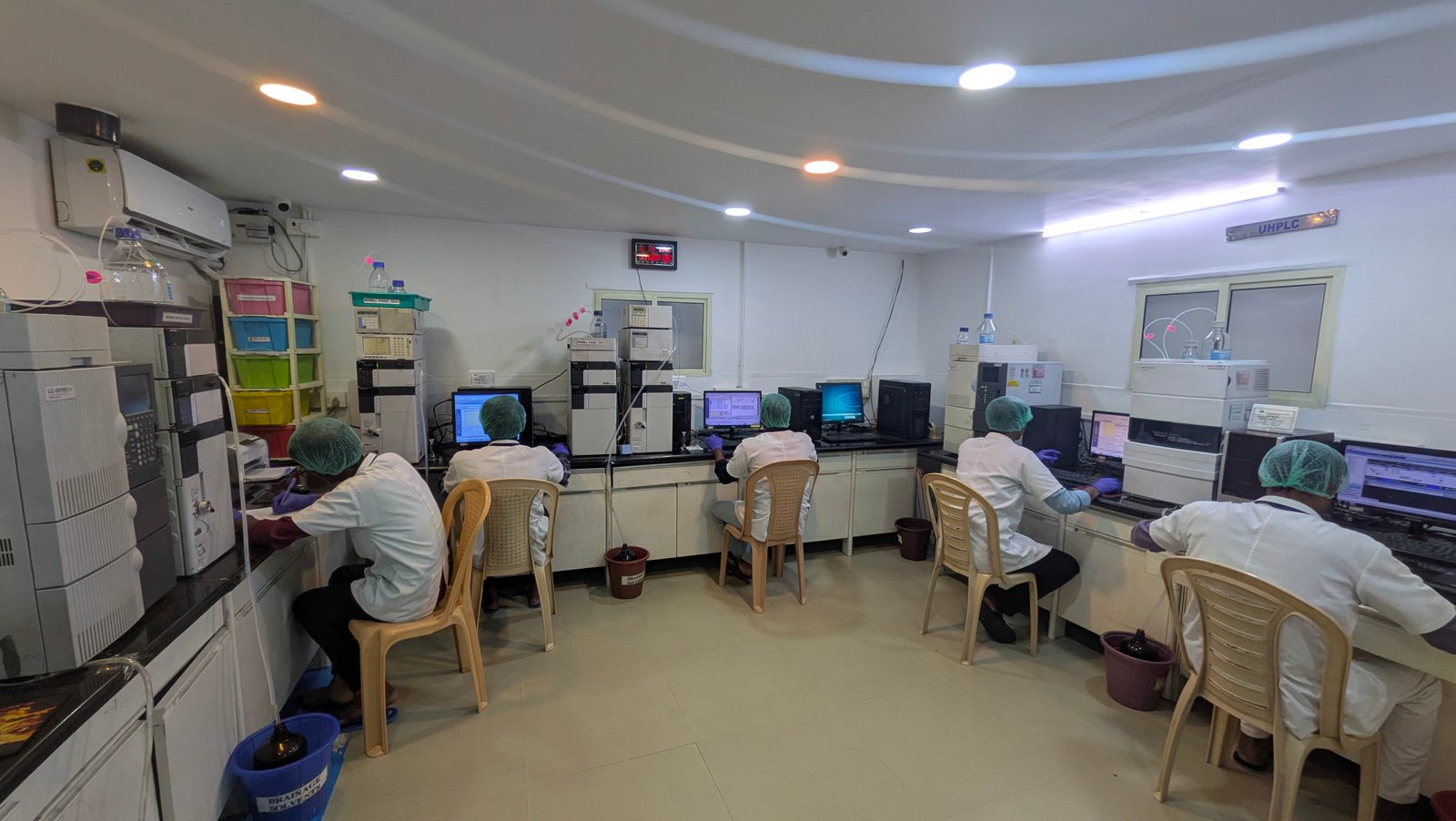
| Microbiological Testing | Microbial Limit Test |